LATEST PUBLICATION
CHENG LAB / HUST
We study the metabolic regulation of immune aging and chronic inflammation, the mechanisms of tumor immune evasion, and potential targets for immunotherapy.
Department of Pathology, School of Basic Medicine
Huazhong University of Science and Technology
01 / RESEARCH
Metabolic regulation of immune function in aging and cancer.
 01
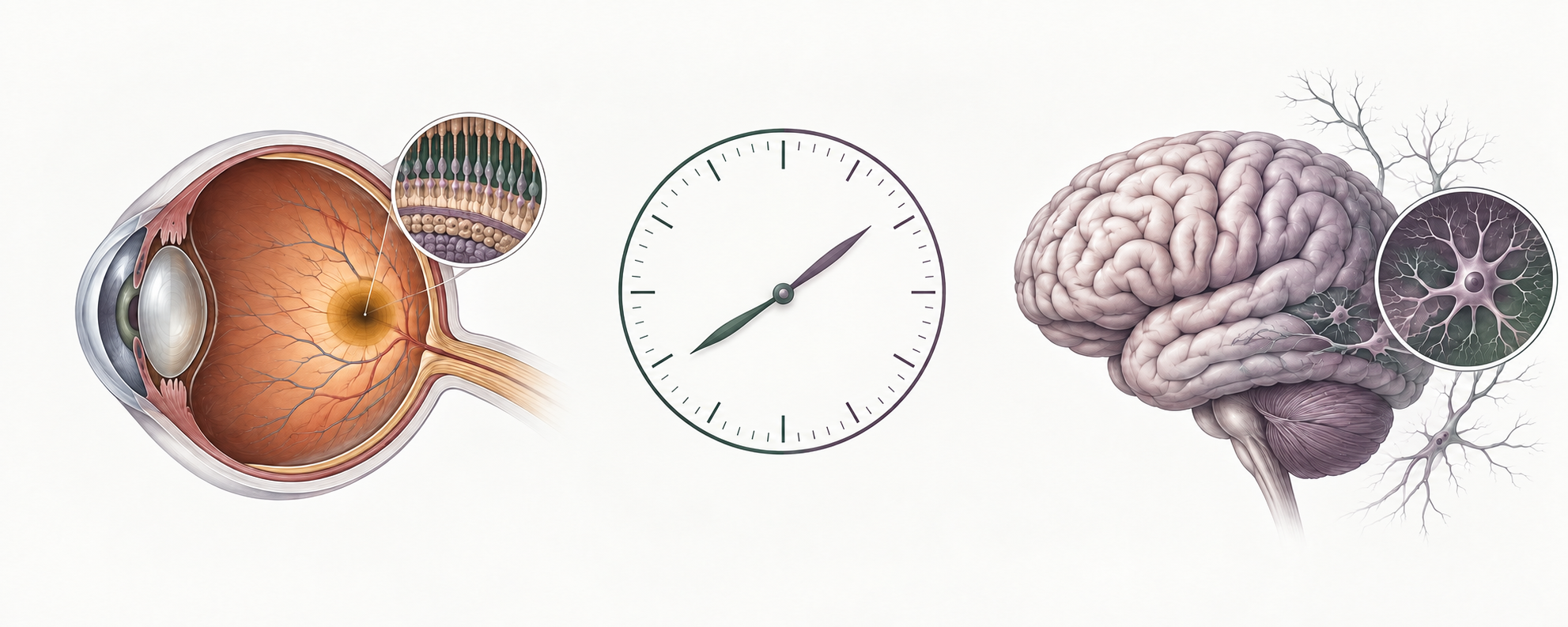
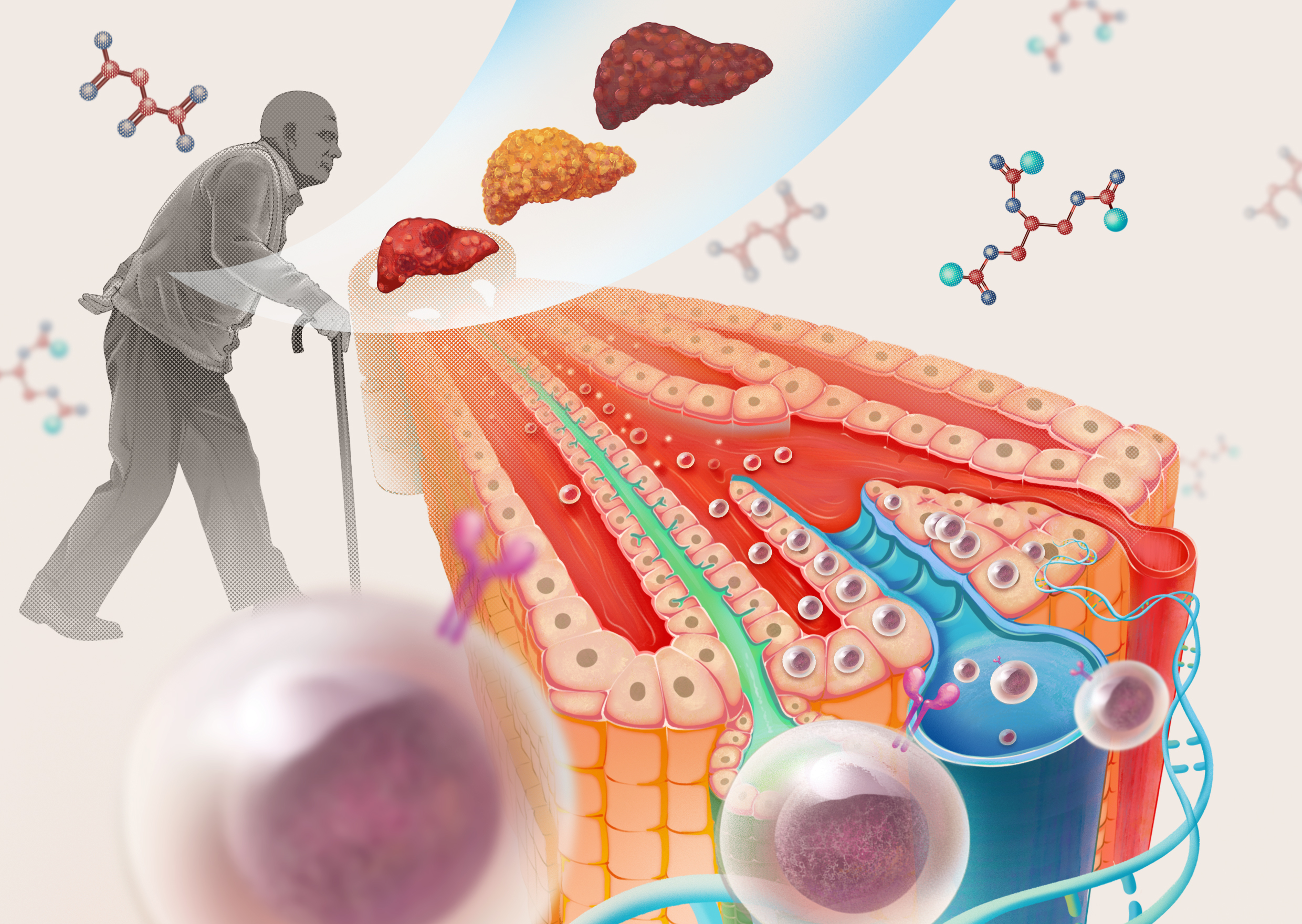
01Aging is a key factor contributing to the increase in various morbidity and mortality rates among the elderly population, causing immune decline and chronic inflammation in the immune system, which poses a threat to the health of the elderly. My research focuses on the regulatory mechanisms and potential transformation of metabolism on immune aging. By applying cutting-edge cross-disciplinary technologies such as metabolomics, CRISPR screening, single-cell omics, spatial omics, and artificial intelligence, I investigate the molecular mechanisms of immune decline and chronic inflammation during aging through chemical biology, and develop new intervention plans to reverse aging.
 02
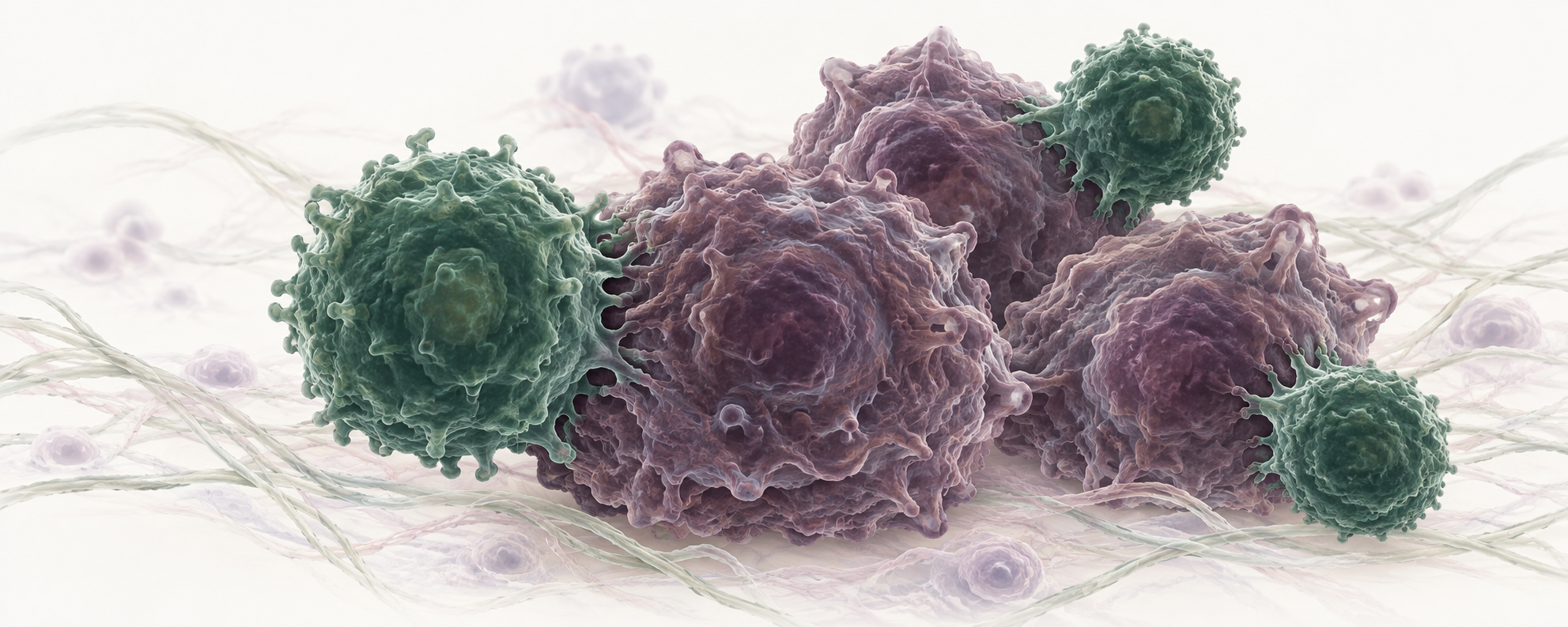
02We are committed to clarifying the mechanism of the immune system's role in tumorigenesis, especially the molecular basis of tumor immune escape. Through cutting-edge cross-disciplinary technologies such as single-cell omics, spatial omics and artificial intelligence, we seek new anti-tumor immune targets and develop innovative antibody drugs to promote precision immunotherapy.
RESEARCH METHODS
02 / RECENT WORK
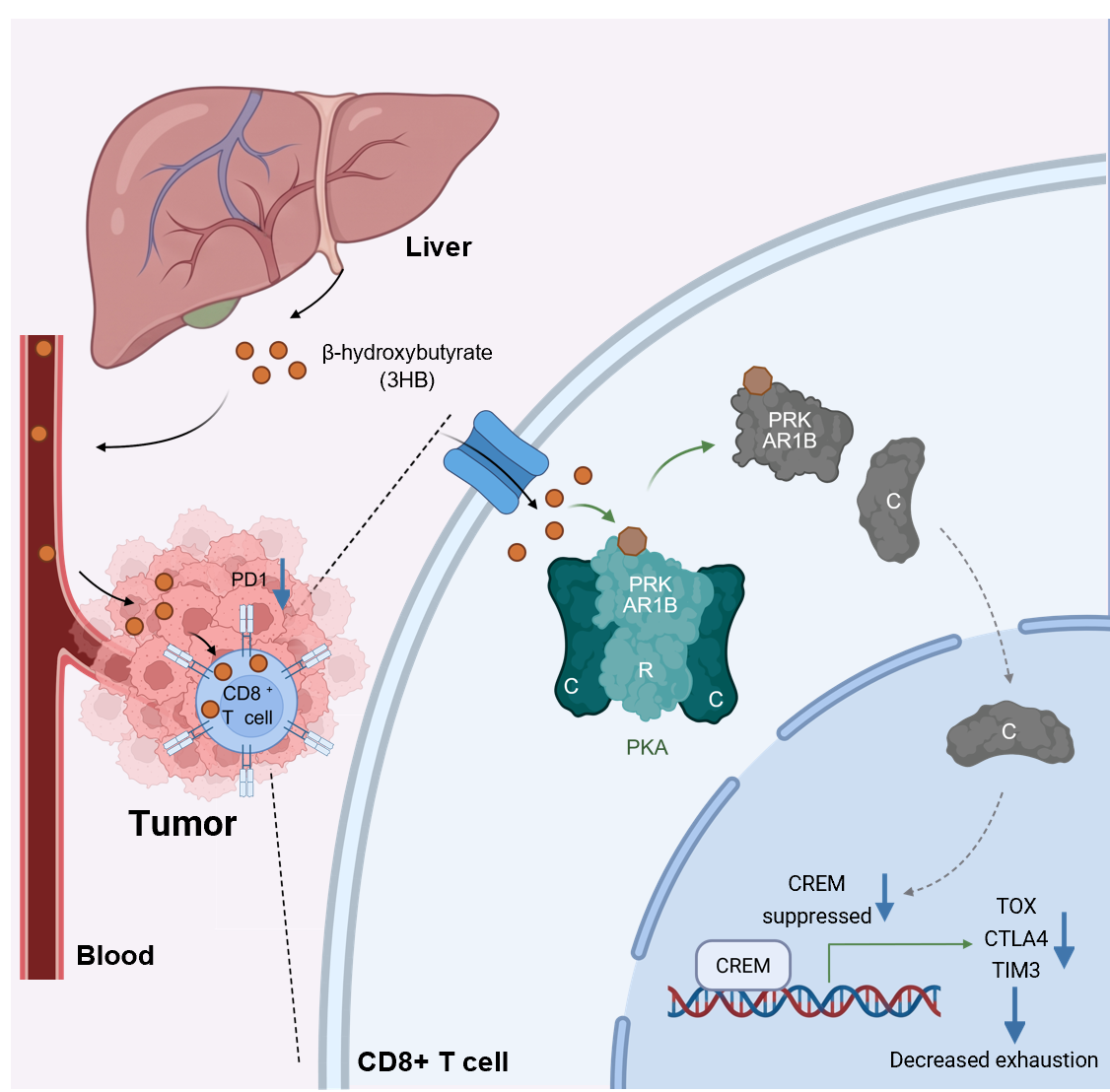
The metabolic mechanisms by which aging blunts CD8⁺ T cell anti-tumor and pathogen defense remain unknown. We demonstrate the aged microenvironment induces CD8⁺ T cell exhaustion by reducing β-hydroxybutyrate (3HB) bioavailabilit…
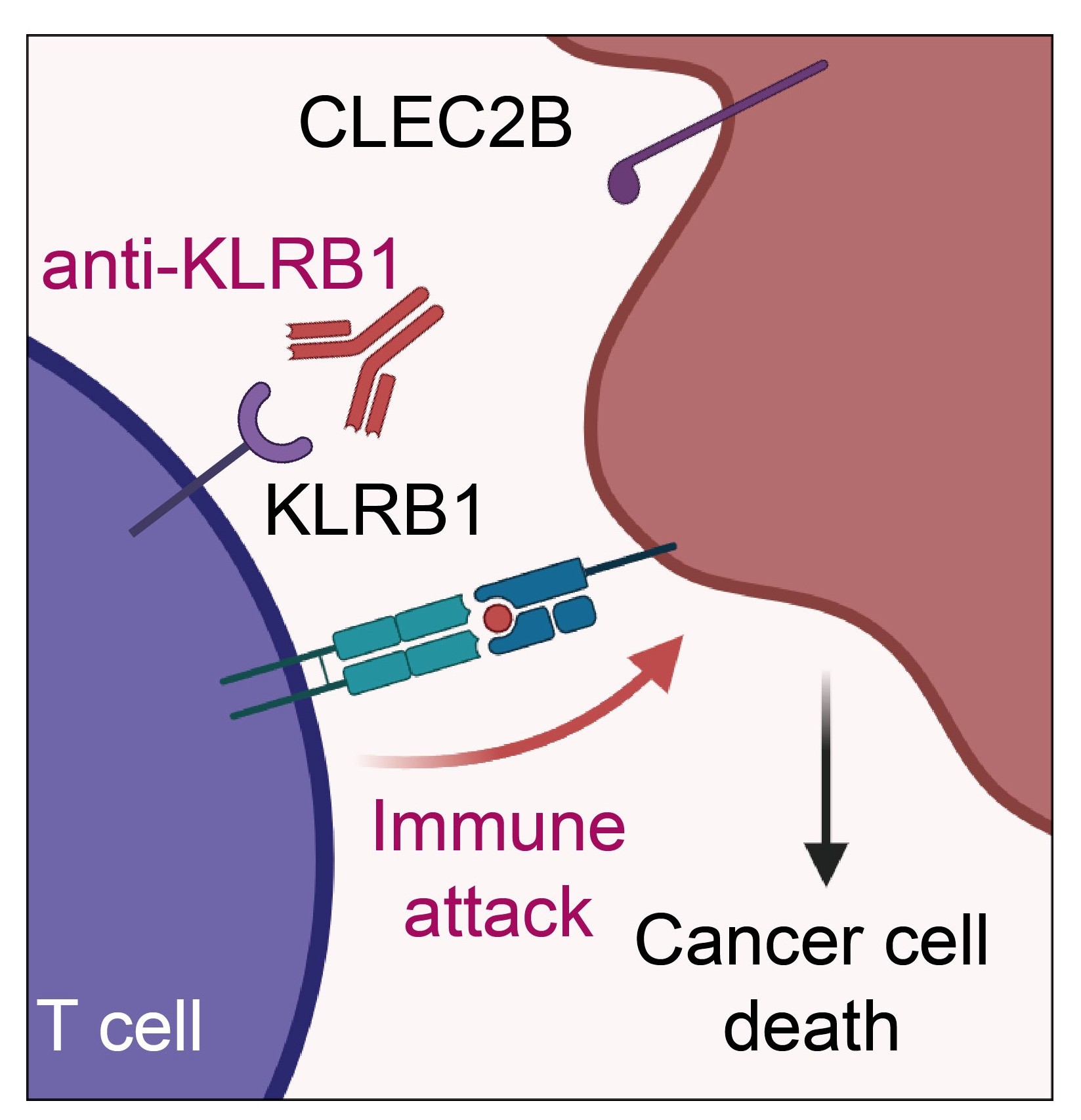
Background Many patients with cancer benefit little from immune checkpoint blockade (ICB), a major obstacle to immunotherapy for decades. Finding alternative immune checkpoints that control CD8+ T-cell exhaustion is urgen…
The liver is a major metabolic organ, responsible for synthesizing and breaking down diverse metabolites. Recently, the liver's immunological functions have gradually been unveiled: combating pathogens and maintaining tissue home…
03 / THE LAB
Our laboratory is dedicated to advancing the frontiers of immunity, metabolism, and aging. We investigate the molecular mechanisms of immune aging and chronic inflammation, as well as tumor immune evasion and therapeutic target discovery. By integrating metabolomics, single-cell and spatial omics, CRISPR screening, and artificial intelligence, we aim to translate fundamental discoveries into novel strategies for disease intervention and clinical application.
04 / PEOPLE
Our principal investigator and laboratory members.
PRINCIPAL INVESTIGATOR

Obtained Ph.D. degree from Peking University in 2020. From 2020 to 2024, engaged in postdoctoral research at Tsinghua University. The primary research focus is tumor immunology, with an emphasis on applying metabolomics, CRISPR screening, single-cell omics, and spatial omics technologies to investigate the mechanisms …
Academic profile ↗
Doctoral student

Postgraduate
Postgraduate
Postgraduate
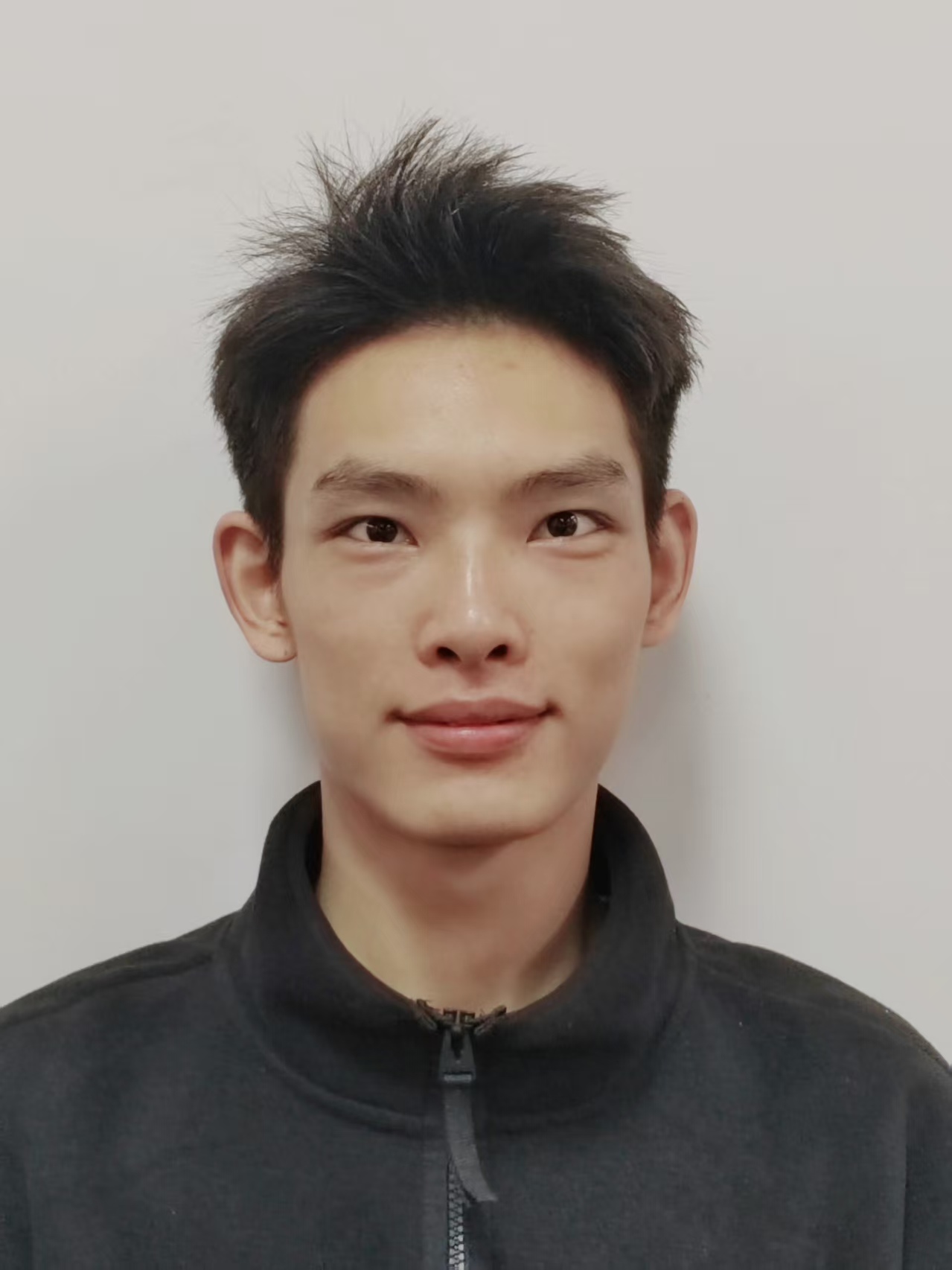
Postgraduate

Undergraduate
Undergraduate
Undergraduate
OPEN POSITIONS
The laboratory welcomes enquiries about graduate study and postdoctoral research in immune aging, metabolism and cancer immunology.